Living in Arizona is a gift in almost every way except one: what the sun does to your skin. Year-round UV exposure, intense reflected light off pavement and pools, and a climate that practically guarantees you will be outdoors several months a year all add up to one of the highest pigmentation risks in the country.
If you have noticed dark patches across your cheeks, brown spots on your forehead, or uneven tone that no concealer fully covers, you are not alone. At Touch and Glow Med Spa, melasma and sun damage are among the most common concerns our Glendale and Peoria patients walk in with. The good news: with the right combination of professional treatments and the right skincare, you can absolutely fade pigmentation and prevent it from coming back.
This guide walks you through what is actually happening in your skin, why over-the-counter products almost always fall short, and the professional treatments we use at Touch and Glow that work in the Arizona climate.
Why Arizona Skin Is Especially Prone to Pigmentation
The Phoenix Valley sees over 300 days of sunshine per year and a UV index that regularly hits “extreme” levels even in winter. Combine that with desert dryness that thins and stresses the skin, and you have a perfect storm for pigmentation issues.
Unlike most of the country, Arizona skin is exposed to damaging UV rays even on short walks from your car to the grocery store. Reflected UV from concrete, water, and even car windows compounds the problem. By the time many of our patients book a consultation, their pigmentation has been building for years, often invisibly under the surface.
Melasma vs. Sun Spots vs. Post-Inflammatory Hyperpigmentation
Not all dark spots are the same. Identifying which type of pigmentation you have is the first step to treating it correctly.
Melasma
Melasma is a chronic pigmentation condition that typically appears as larger, blotchy patches on the cheeks, forehead, upper lip, and chin. It is most common in women, especially those with hormonal triggers like pregnancy, birth control, or perimenopause. Heat (something Arizona has plenty of) is a major trigger, which is why melasma often gets worse in summer.
Sun Spots (Solar Lentigines)
Sun spots, sometimes called age spots or liver spots, are smaller, more defined dark spots that appear on areas with the most sun exposure: face, hands, chest, and shoulders. These are the direct result of cumulative UV exposure over years.
Post-Inflammatory Hyperpigmentation
This type of pigmentation appears after skin trauma. Acne, eczema, bug bites, ingrown hairs, and even aggressive scrubbing can leave behind brown or red marks that can take months or years to fade on their own.
The treatment plan is different for each. During your Touch and Glow consultation, we identify exactly what you are dealing with before recommending any treatment.
Why At-Home Products Often Fail for Melasma
If you have been trying to fade pigmentation with a drugstore vitamin C serum and SPF 15, here is the hard truth: those products are nowhere near strong enough to make a meaningful difference, especially for melasma.
The pigment that causes melasma sits deep in the skin. Topical products only penetrate so far, and most over-the-counter “brightening” products contain ingredients in concentrations too low to do real work. Combine that with daily UV exposure that essentially undoes any progress, and you end up frustrated, spending money, and seeing zero results.
Professional treatments work differently. They reach deeper layers of the skin, break up pigment at its source, and stimulate new healthy skin to replace it. Combined with prescription-strength home care and proper SPF, real results are absolutely achievable.
Professional Treatments That Actually Work in the Arizona Climate
This is where treatment selection matters most. Some pigmentation treatments that work beautifully in cooler climates can actually trigger or worsen melasma in our intense sun. At Touch and Glow, we choose treatments specifically because they are proven safe and effective for Arizona patients.
AlumierMD Chemical Peels
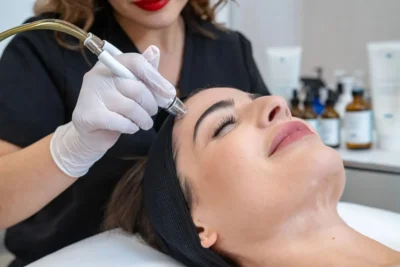
Our AlumierMD chemical peels are some of the most versatile pigmentation treatments we offer. They use medical-grade ingredients to gently exfoliate the top layers of skin, fading surface pigmentation and stimulating cell turnover. Multiple peel formulations let us customize the strength to your skin type and concern.
Perfect Peel and RevePeel
For deeper, more stubborn pigmentation, we offer the Perfect Peel and RevePeel. These professional-grade peels go beyond surface exfoliation, treating pigment at deeper layers of the skin while also brightening overall complexion. Patients typically see dramatic improvement after a single treatment with continued progress over the following weeks.
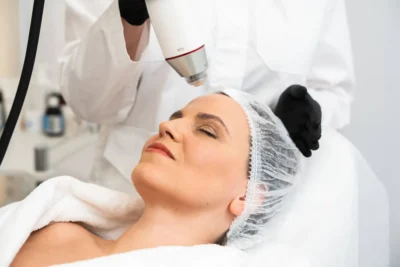
Vivace combines microneedling with radiofrequency energy to treat pigmentation at multiple skin depths at once. The microneedling creates controlled micro-channels in the skin while RF energy delivers targeted heat that breaks up pigment and stimulates collagen. Vivace is one of our most popular treatments because it addresses pigmentation, fine lines, and skin texture in one session.
Aquagold uses 24-karat gold-plated microneedles thinner than a human hair to deliver a custom cocktail of ingredients (often including pigment-fading serums and brightening peptides) into the upper layers of the skin. It is gentle enough for sensitive Arizona skin yet powerful enough to deliver real, visible improvement.
SkinPen Microneedling
SkinPen is the only FDA-cleared microneedling device on the market. It creates thousands of tiny micro-channels in the skin to stimulate collagen and break up pigmentation. Often paired with PRF or topical brighteners for enhanced results.
Building a Melasma-Safe Skincare Routine for Arizona
Professional treatments will give you the biggest jump in progress, but what you do at home daily either protects that progress or undoes it.
A strong Arizona-friendly home routine should include:
- A medical-grade vitamin C serum every morning to fight free radical damage
- A pigment-targeting serum with ingredients like tranexamic acid, niacinamide, or hydroquinone (when prescribed)
- A retinol or prescription retinoid in the evening to accelerate cell turnover
- Tinted mineral SPF 30 or higher every single day, reapplied every two hours when outdoors
- Hydrating products to support your skin barrier in our dry climate
Our Touch and Glow aestheticians can build you a personalized routine using SkinMedica and AlumierMD products that pair perfectly with your in-office treatments.
SPF Recommendations from Our Glendale Aestheticians
In Arizona, SPF is non-negotiable. Our top recommendation for melasma patients is a tinted mineral sunscreen because the iron oxide in tinted formulations also blocks visible light, which is now known to trigger melasma in addition to UV.
We carry our favorite SPF formulations in our retail shop. Our team will help you choose one that works with your skin type and lifestyle.
How to Choose the Right Treatment Plan
The best pigmentation results almost always come from a layered approach: a series of in-office treatments combined with prescription-strength home care and consistent SPF. There is no single magic treatment that fades years of sun damage in one visit.
During your Touch and Glow consultation, we look at:
- The type, depth, and location of your pigmentation
- Your skin type and tolerance for downtime
- Whether you have hormonal triggers
- Your budget and timeline
- Any history of sensitivity or previous treatments
From there, we build a custom treatment plan that fits your goals, your skin, and your life.
Before-and-After Expectations and Treatment Timelines
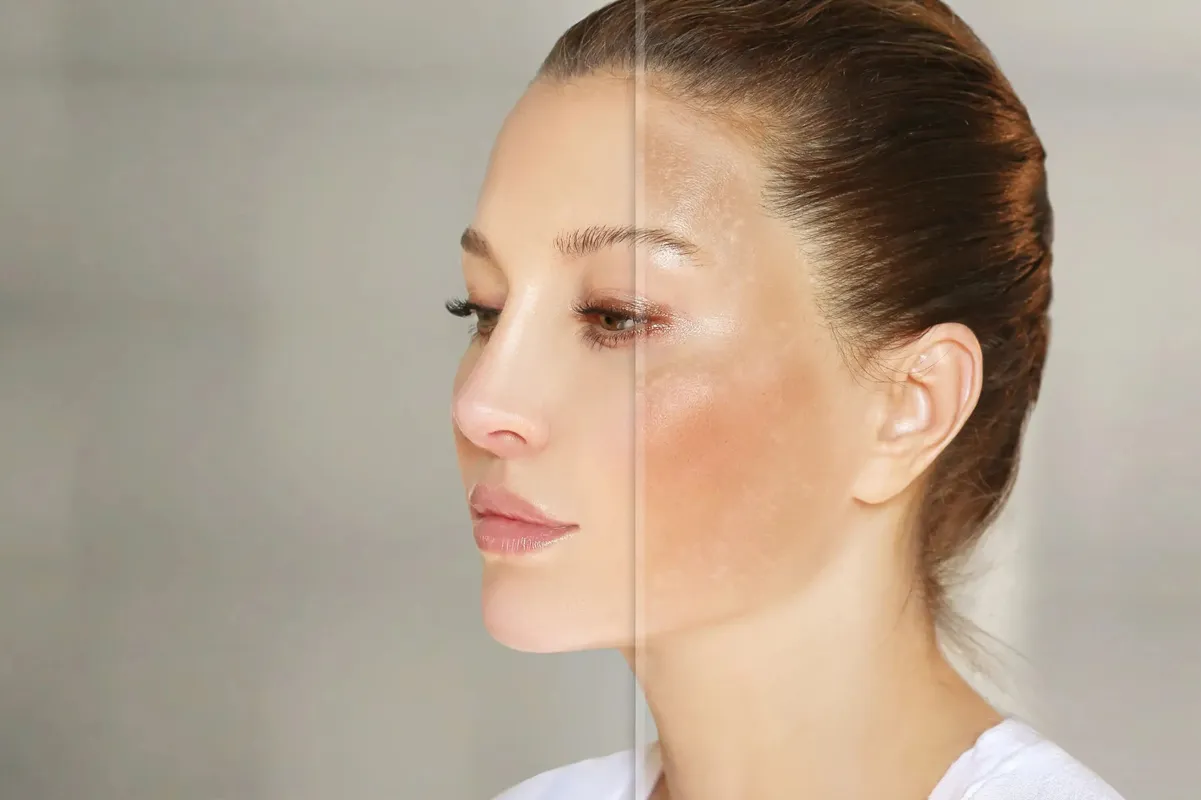
Most pigmentation treatment plans run between 8 and 16 weeks for the active treatment phase, followed by ongoing maintenance every 3 to 6 months. Visible improvement usually starts after the second or third treatment, with continued progress as new healthy skin replaces pigmented skin.
Patience matters. Pigmentation that took years to develop will not disappear in a week, but consistent treatment delivers truly transformational results.
Frequently Asked Questions
Can melasma be cured?
Melasma can be dramatically improved and managed long-term, but it is considered a chronic condition. Triggers like sun exposure, heat, and hormones can cause it to return, which is why ongoing maintenance and SPF are essential.
Is laser safe for darker skin tones in Arizona?
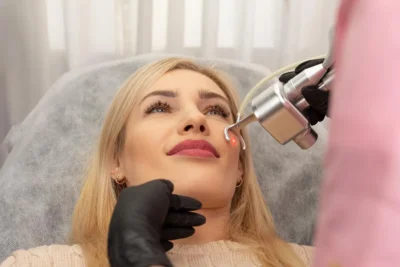
Some laser treatments can actually worsen melasma in deeper skin tones. At Touch and Glow, we choose treatments specifically because they are safe across skin types. We never recommend a treatment that could backfire on you.
How much does pigmentation treatment cost?
Pricing depends on the treatment plan we build for you. During your free consultation, we provide transparent pricing and explain every option.
When is the best time of year to treat pigmentation in Arizona?
You can start anytime, but fall and winter (when UV exposure is lower) are often ideal for more aggressive treatments. We can absolutely start summer treatments using gentler options that will not put your skin at risk.
Will my insurance cover pigmentation treatment?
Cosmetic pigmentation treatment is not typically covered by insurance. We offer flexible payment options including financing for larger treatment plans.
Book a Pigmentation Consultation in Glendale
If sun damage and melasma have you reaching for more makeup or avoiding photos, you do not have to live with it. Touch and Glow Med Spa offers proven, Arizona-tested treatments to fade pigmentation safely and reveal the brighter, more even skin underneath.
Call 602-562-9800 or book your consultation online at touchandglowskincare.com. Our patients in Glendale, Peoria, Sun City, Surprise, and across the Phoenix Valley trust us to give them honest answers and real results.

Wendy Beltran, FNP-BC, is the Medical Director and lead injector at Touch and Glow Med Spa in Glendale, Arizona. A Family Nurse Practitioner since 2008 with a clinical background in Gastroenterology, Family Practice, and Urgent Care, Wendy combines deep medical expertise with an artistic eye to deliver natural-looking results. She has been an aesthetic injector since 2018 and is passionate about patient education and safety.