Living in Arizona offers year-round sunshine, but the same ultraviolet exposure that makes outdoor life appealing can accumulate in the skin. Brown spots, uneven tone, rough texture, fine lines, and loss of elasticity may appear gradually even in people who now use sunscreen consistently.
Laser resurfacing can address several signs of photoaging in one treatment plan, but the correct laser depends on what is visible in the skin, how deeply the damage extends, skin tone, and how much recovery a patient can accommodate.
Quick Answer: What Is the Best Laser for Arizona Sun Damage?
There is no single best laser for every type of sun damage. CO2 resurfacing is generally selected when stronger resurfacing and thermal collagen remodeling are priorities. Erbium YAG provides highly precise ablation with less residual heat and may suit patients or treatment areas that call for a different recovery profile.
Pigment-only concerns may respond better to another device or treatment. A provider must first distinguish brown spots, diffuse pigment, redness, texture, precancerous changes, and true skin laxity.
What Does Sun Damage Look Like?
“Sun damage” is a broad label. It can include:
- Freckles or isolated brown spots
- Uneven or blotchy pigment
- Persistent redness or visible small vessels
- Rough or leathery texture
- Fine lines and deeper wrinkles
- Enlarged-looking pores
- Reduced firmness
- Uneven skin quality across the face, neck, chest, or hands
These concerns do not all respond to the same wavelength. Any changing, bleeding, irregular, or suspicious lesion should be evaluated medically before cosmetic treatment.
Why Arizona Sun Exposure Changes Treatment Planning
UV exposure is present year-round in Arizona, and reflected light, driving, outdoor exercise, and brief daily exposure can add up. After resurfacing, newly healing skin is especially vulnerable to irritation and pigment changes.
Treatment planning therefore includes more than choosing a laser. Patients must be able to follow instructions for direct-sun avoidance, broad-spectrum sunscreen, hats or other physical protection, temporary skincare changes, and outdoor-activity limits.
For some patients, fall and winter are more practical times for intensive resurfacing because schedules and temperatures make sun avoidance easier. The safest timing still depends on lifestyle and clinical assessment.
How CO2 Laser Treats Photoaging
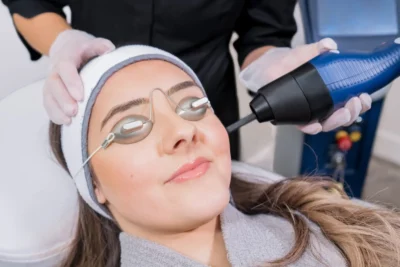
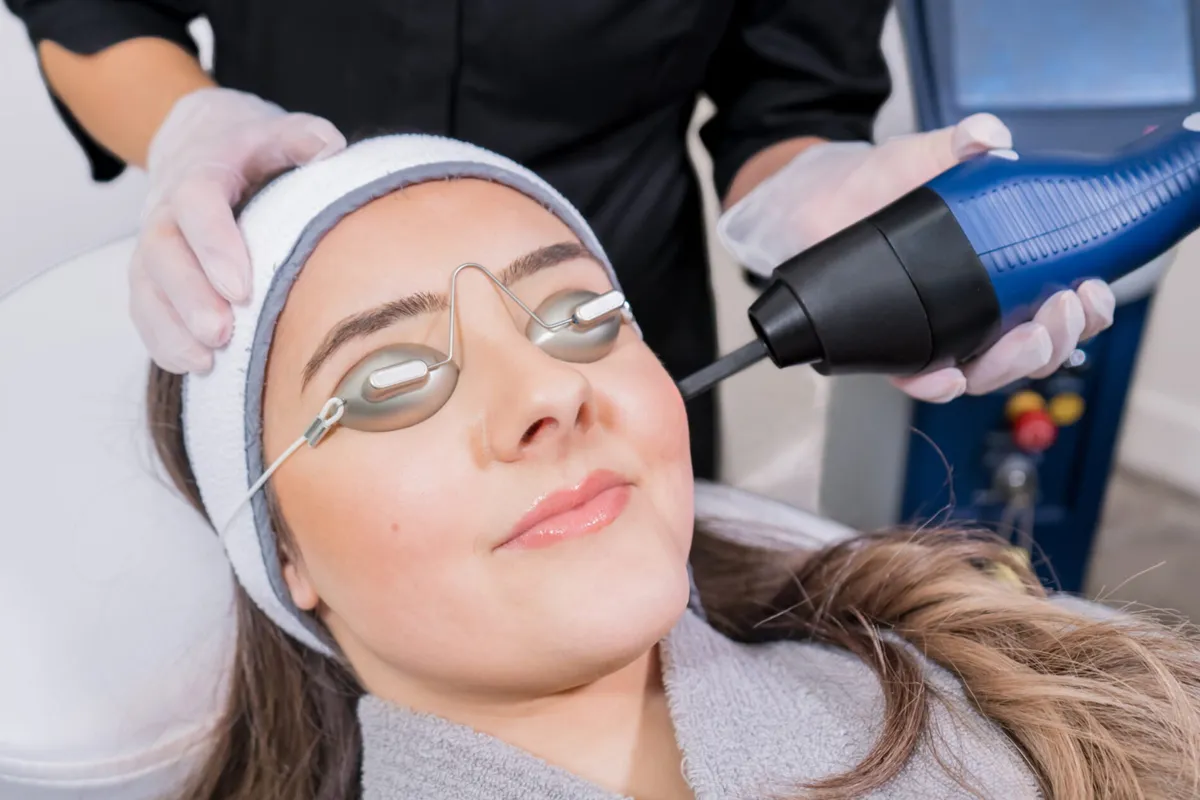
CO2 resurfacing removes controlled columns or layers of damaged skin while creating heat in the treated tissue. That thermal effect can stimulate collagen remodeling below the surface.
CO2 may be considered when the treatment plan emphasizes:
- More pronounced textural change
- Fine lines or deeper wrinkles
- Acne scars combined with photoaging
- Roughness and uneven surface quality
- Collagen remodeling
- A stronger single-session correction with more downtime
More intensity is not automatically better. Deeper treatment also brings more visible recovery and greater need for careful aftercare.
How Erbium YAG Treats Photoaging
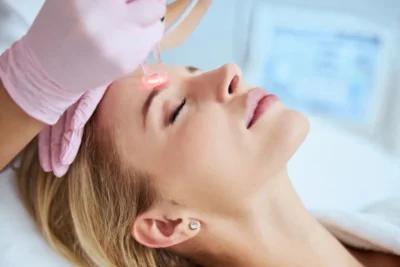
Erbium YAG energy is strongly absorbed by water, allowing precise removal of skin with less residual thermal injury than CO2.
Erbium may be considered when the plan emphasizes:
- Precise surface resurfacing
- Fine lines and texture
- Delicate treatment areas
- A different recovery or redness profile
- Controlled treatment depth
- Patients who are not seeking the strongest CO2 approach
Erbium can still be an ablative treatment and should not be described as downtime-free. Depth and recovery vary by settings.
CO2 vs. Erbium YAG: The Practical Differences
Treatment Depth
Either laser can be adjusted, but CO2 is often chosen for deeper thermal remodeling. Erbium is valued for precise ablation and limited residual heat.
Downtime
CO2 commonly requires more visible recovery when performed aggressively. Erbium recovery can be shorter at comparable goals, but a deep Erbium treatment may still require meaningful healing time.
Redness
Residual redness can last after either laser. CO2’s thermal effect may create longer-lasting pinkness for some patients.
Texture and Wrinkles
Both can improve texture and lines. The right choice depends on severity, area, and treatment intensity rather than the laser name alone.
Pigmentation Risk
Post-inflammatory pigment changes can occur after either procedure. Skin tone, recent tanning, sun exposure, settings, preparation, and aftercare all matter.
Can Laser Remove Brown Spots?
Resurfacing can improve some superficial pigment as damaged skin renews, but not every brown spot should be treated with CO2 or Erbium.
A provider should determine whether the discoloration is a freckle, solar lentigo, melasma, post-inflammatory hyperpigmentation, or a lesion requiring medical evaluation. Melasma in particular can worsen with inflammation or heat, so an aggressive laser is not automatically appropriate.
Can Laser Resurfacing Make Hyperpigmentation Worse?
Yes, pigment can temporarily darken or become uneven after inflammation. This risk is higher for some skin tones and pigment conditions.
Risk reduction may include careful patient selection, avoiding recent tanning, adjusting treatment parameters, following a pre-treatment plan when prescribed, and strict post-treatment sun protection. No protocol eliminates risk completely.
What Areas Can Be Treated?
The face is common, but Arizona sun damage may also affect the neck, chest, and hands. Skin thickness and healing behavior differ across these areas, so settings cannot simply be copied from the face.
The neck and chest often require more conservative treatment. A consultation should address each area separately.
What Does Recovery Look Like?
Depending on treatment depth, patients may experience:
- Redness and swelling
- Warmth or sensitivity
- Dryness
- Flaking, peeling, or crusting
- Temporary darkening of spots
- Ongoing pinkness after surface healing
Patients should receive clear instructions for cleansing, moisture, products, exercise, heat, makeup, and sun exposure. Picking or accelerating peeling can interfere with healing.
When Will Results Appear?
The surface begins to look clearer as healing progresses. Texture, fine lines, and firmness may continue to improve over weeks or months as collagen remodels.
Sun exposure and natural aging continue after treatment. Daily protection and a maintenance plan help preserve the improvement.
Who Is a Good Candidate?
Potential candidates include adults with sun-related texture, lines, or uneven skin quality who understand the recovery commitment and can avoid unnecessary UV exposure.
Laser may be postponed or avoided with active infection, open wounds, recent tanning, uncontrolled skin disease, certain medications, impaired healing, or other medical factors. Suspicious lesions must be assessed before cosmetic resurfacing.
Could Another Treatment Be Better?
Sometimes. Depending on the concern, a provider may recommend vascular laser treatment for redness, a pigment-focused device, chemical peel, medical-grade skincare, RF microneedling, injectables for movement or volume, or dermatology evaluation.
The most effective plan starts with the diagnosis, not the device.
Frequently Asked Questions
Can laser remove years of sun damage?
Laser resurfacing can improve visible texture, lines, and some pigment, but it cannot erase every form of accumulated damage or stop future UV exposure.
Is CO2 or Erbium better for sun spots?
Neither is automatically best for isolated sun spots. The pigment type and skin tone should be evaluated before selecting resurfacing or a pigment-specific treatment.
What time of year is best for laser resurfacing in Arizona?
Many patients find cooler months easier for recovery and sun avoidance. Individual lifestyle and the ability to follow protection instructions matter more than the calendar alone.
How long should I avoid the sun?
Follow the treating provider’s specific timeline. Strict avoidance during active healing and consistent daily protection afterward are essential.
Can darker skin tones have laser resurfacing?
Some patients with darker skin tones may be candidates, but pigment risk requires experienced assessment, conservative planning, and diligent aftercare.
Will one treatment be enough?
It depends on the concern, treatment depth, and desired correction. Some choose one stronger treatment; others benefit from lighter sessions or combination therapy.
Schedule a Sun-Damage Consultation in Glendale
Touch & Glow Med Spa Glendale provides laser resurfacing and aesthetic treatments from its Glendale location for patients throughout Glendale and Arizona’s West Valley.
A consultation can determine whether CO2, Erbium YAG, another laser, skincare, or a combination plan best matches your skin. Results vary, and treatment recommendations require individual evaluation.

Wendy Beltran, FNP-BC, is the Medical Director and lead injector at Touch and Glow Med Spa in Glendale, Arizona. A Family Nurse Practitioner since 2008 with a clinical background in Gastroenterology, Family Practice, and Urgent Care, Wendy combines deep medical expertise with an artistic eye to deliver natural-looking results. She has been an aesthetic injector since 2018 and is passionate about patient education and safety.