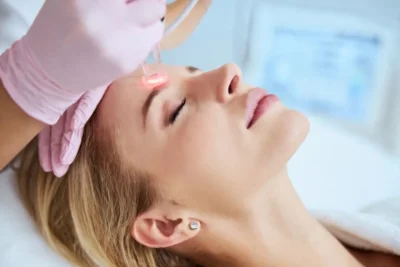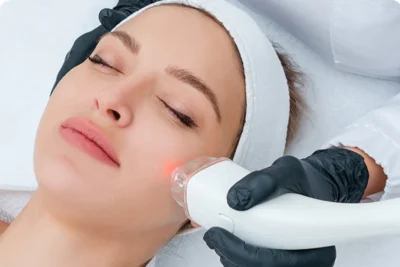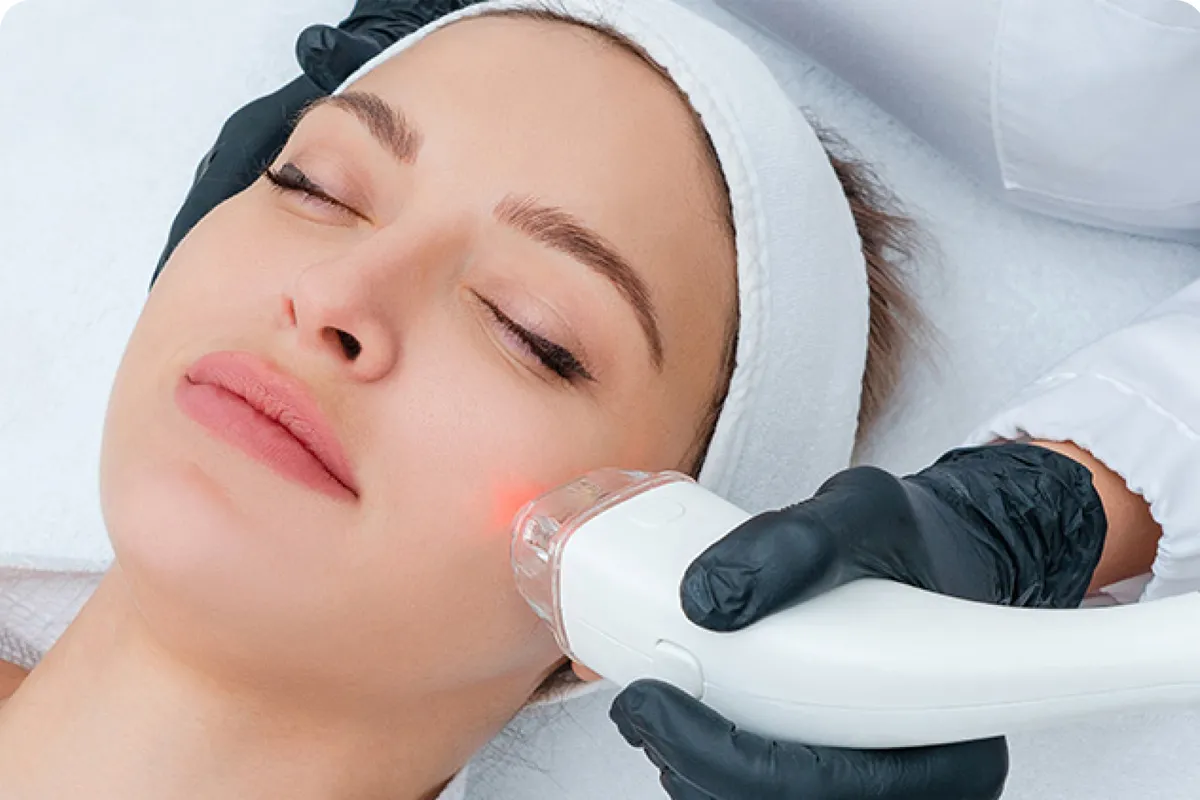
CO2 laser resurfacing and RF microneedling are frequently compared because both can improve texture and stimulate collagen. They are not interchangeable.
CO2 works from the skin surface downward using ablative laser energy. RF microneedling places needles into the skin and delivers radiofrequency energy at selected depths while leaving more of the surface intact.
The better option depends on the problem being treated, skin characteristics, desired intensity, and acceptable recovery.
Quick Answer: Is CO2 Better Than RF Microneedling?
CO2 laser is often stronger for surface resurfacing, deeper wrinkles, pronounced texture, and selected acne scars. RF microneedling is often preferred for collagen stimulation, mild laxity, and texture when a patient wants less surface injury and a different downtime profile.
Neither is universally better. Some patients are better candidates for one; others benefit from a staged combination.
How CO2 Laser Resurfacing Works
CO2 laser energy is absorbed by water in the skin. Depending on the device and settings, it removes microscopic columns or controlled layers of tissue and creates heat that stimulates a healing response.
CO2 may be used for:
- Acne scars
- Fine lines and deeper wrinkles
- Rough surface texture
- Sun damage
- Enlarged-looking pores
- Overall resurfacing
- Selected areas needing stronger remodeling
Because it is ablative, CO2 usually creates visible peeling, redness, and a more involved recovery.
How RF Microneedling Works
RF microneedling uses insulated or non-insulated needles to create controlled microchannels and deliver radiofrequency energy at selected depths.
Vivace Ultra is Touch & Glow’s RF microneedling option. Treatment can be customized by depth and energy based on the area and goal.
RF microneedling may be used for:
- Acne-scar remodeling
- Mild laxity
- Fine lines
- Texture
- Enlarged-looking pores
- Lower-face or neck skin quality
- Patients seeking less surface downtime than ablative resurfacing
The surface is not removed in the same way as CO2, though redness, swelling, pinpoint marks, or other temporary effects can occur.
CO2 vs. RF Microneedling at a Glance
Best Known For
CO2: stronger resurfacing of the skin surface plus thermal remodeling.
RF microneedling: controlled dermal remodeling with less surface disruption.
Typical Downtime
CO2: generally longer and more visible.
RF microneedling: generally shorter, although intensity and individual response vary.
Acne Scars
CO2 can be powerful for selected rolling and boxcar scars. RF microneedling can improve texture and may fit patients who need a different risk or recovery profile. Deep ice-pick or tethered scars may require another or combination approach.
Wrinkles
CO2 often has the advantage for etched surface lines. RF microneedling may help fine lines and mild laxity without the same degree of ablation.
Skin Tightening
Both stimulate remodeling. The visible tightening effect depends on baseline laxity, treatment depth, number of sessions, and anatomy. Neither replaces surgery for significant excess skin.
Skin-Tone Considerations
Both treatments can trigger pigment changes. CO2’s surface injury may create more concern for some patients with higher melanin levels or a history of post-inflammatory hyperpigmentation. RF microneedling may be considered across a broader range of skin tones, but it is not risk-free.
Which Is Better for Acne Scars?
The answer begins with the scar type.
Rolling scars can be broad and sometimes tethered. Boxcar scars have defined edges and variable depth. Ice-pick scars extend narrowly and deeply. Patients may also have active acne, pigment, redness, or multiple scar patterns.
CO2 may create more aggressive surface and edge remodeling. RF microneedling may improve dermal texture and collagen with less epidermal disruption. Tethered scars may need subcision, and deep focal scars may need another approach. No single device is guaranteed to remove every scar.
Which Is Better for Wrinkles and Sun Damage?
CO2 generally provides more direct surface resurfacing, making it a strong option for etched lines, rough texture, and broader photoaging when the patient accepts recovery.
RF microneedling may improve fine lines and firmness but does not remove sun-damaged surface tissue in the same way. Pigment or vascular concerns may require a different device or skincare plan.
Which Is Better for Skin Tightening?
RF microneedling delivers heat at controlled dermal depths and is commonly used for mild laxity. CO2 also stimulates collagen while resurfacing the surface.
The deciding question is whether the patient’s concern is primarily loose skin, poor texture, scars, etched lines, volume loss, or tissue descent. Significant laxity cannot be corrected fully by either technology.
Which Has More Downtime?
CO2 generally has more downtime because it creates an ablative wound. Patients may experience redness, swelling, sensitivity, peeling, crusting, and lingering pinkness.
RF microneedling commonly involves temporary redness, swelling, tenderness, or pinpoint marks, with less peeling for many patients.
Because treatment intensity changes the comparison, a light CO2 session and an aggressive RF microneedling session may have overlapping recovery profiles. Patients should receive a personalized estimate.
Which Is Safer for Darker Skin?
RF microneedling is often considered for a broader range of skin tones because the energy can be delivered beneath the surface with less epidermal injury. However, pigment change, burns, scarring, and other complications remain possible.
CO2 may be appropriate for selected patients with darker skin when an experienced provider uses careful preparation, settings, and aftercare. Skin type, recent sun exposure, pigment history, and treatment goal must be reviewed.
How Many Treatments Are Needed?
A stronger CO2 resurfacing session may produce a noticeable change after one treatment, although some patients may need additional sessions or a combination approach.
RF microneedling is often planned as a series because collagen remodeling builds gradually. The exact number and spacing should be based on the concern, response, and device settings rather than a one-size-fits-all package.
Can CO2 and RF Microneedling Be Combined?
They may be combined in a staged plan when each targets a different layer or concern. Combining does not always mean performing both on the same day.
A provider may use one treatment first, allow full healing, then reassess whether the second adds value. The sequence depends on scarring, skin tone, downtime, and safety.
How Long Do Results Last?
Both treatments can create long-lasting improvement through remodeling, but neither stops aging, new acne, or ongoing sun exposure.
Results depend on baseline condition, treatment intensity, number of sessions, skincare, sun protection, smoking status, and natural aging. Maintenance may be recommended.
Who Is a Good Candidate for CO2?
A potential CO2 candidate may have more pronounced texture, selected acne scars, etched wrinkles, or photoaging and be willing to complete a more visible recovery.
Recent tanning, active infection, uncontrolled skin conditions, impaired healing, certain medications, or pigment concerns can affect eligibility.
Who Is a Good Candidate for RF Microneedling?
A potential RF microneedling candidate may have mild laxity, fine lines, texture, or acne scars and prefer less surface disruption.
Active infection, certain medical devices or conditions, impaired healing, medications, and other factors can affect eligibility. A medical consultation is required.
Frequently Asked Questions
Is CO2 better than Vivace Ultra?
CO2 is usually more aggressive for surface resurfacing. Vivace Ultra RF microneedling focuses on controlled dermal remodeling with a different downtime profile. The better choice depends on the concern.
Which is better for acne scars?
CO2 may be stronger for some scar patterns; RF microneedling may better fit other skin tones, scar depths, or downtime preferences. Scar type must be assessed.
Which treatment tightens skin more?
Both can create remodeling. Neither is a surgical lift, and results depend on severity and settings.
Can I do both treatments?
A staged combination may be appropriate. The provider should determine sequence and healing intervals.
Which treatment costs more?
Price depends on treatment area, intensity, number of sessions, and whether a series or combination is recommended. Compare the complete plan rather than the per-session price alone.
Which has longer-lasting results?
Both can create durable improvement, but longevity varies. Ongoing sun exposure, acne, aging, and maintenance affect results.
Schedule a Skin-Remodeling Consultation in Glendale
Choosing between CO2 laser and RF microneedling should begin with diagnosis, not a device preference.
Schedule a consultation with Touch & Glow Med Spa in Glendale, Arizona to compare CO2 laser resurfacing, Vivace Ultra RF microneedling, Erbium YAG, and other treatment options for your skin, goals, and recovery schedule.
Results vary. Treatment recommendations require an individual consultation.

Wendy Beltran, FNP-BC, is the Medical Director and lead injector at Touch and Glow Med Spa in Glendale, Arizona. A Family Nurse Practitioner since 2008 with a clinical background in Gastroenterology, Family Practice, and Urgent Care, Wendy combines deep medical expertise with an artistic eye to deliver natural-looking results. She has been an aesthetic injector since 2018 and is passionate about patient education and safety.